
Compare all three side by side
Open the Powerwall 3 vs Enphase IQ Battery 5P vs FranklinWH aPower 2 comparison for capacity, power, architecture, warranty, scalability and scenario-based battery count in one mobile-friendly view.
For a more visual capacity-first view, open the 5 kWh vs 13.5 kWh vs 15 kWh battery guide with product photos, capacity bars, planning runtime examples and model-specific 72-hour links.
What do quoted battery packages cost per usable kWh?
Use the Battery Quote Calculator for one installer package, or Compare Battery Quotes to place two or three storage proposals side by side. Both tools normalize only the price you enter and deliberately avoid MSRP or automatic market-price rankings.
How many home batteries do you need?
Use our energy-only sizing table to compare how many current battery units are required for 5-30 kWh/day of backed-up household energy, then test the result against multi-day solar, starting SOC, charging limits and critical load.
Does the battery recover across three outage days?
Simple runtime is only the first screen. The 3-day simulator follows state of charge through the first night, changing daily solar, load-first dispatch, charging losses and system charge-power limits, then finds minimum battery count, solar threshold and sustainable critical load.
How many hours can your reserve actually run?
Convert battery capacity and backup reserve into estimated outage runtime using average critical load and delivered-energy efficiency. The full outage planner also checks continuous power, motor-start surge, pre-solar survival and recharge-window limits.
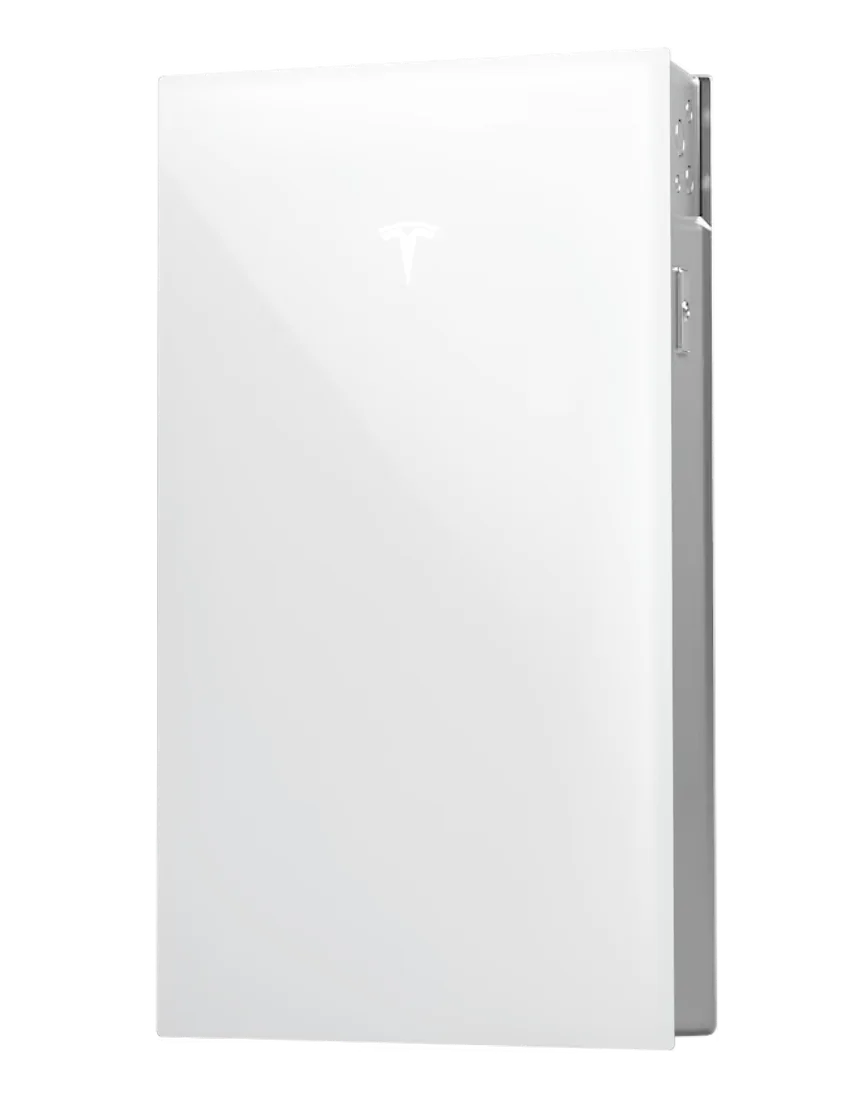
Powerwall 3
Integrated solar inverter with six solar inputs and MPPTs.
View full specifications →Normalize an installer quote →Stress-test 1 unit over 3 days →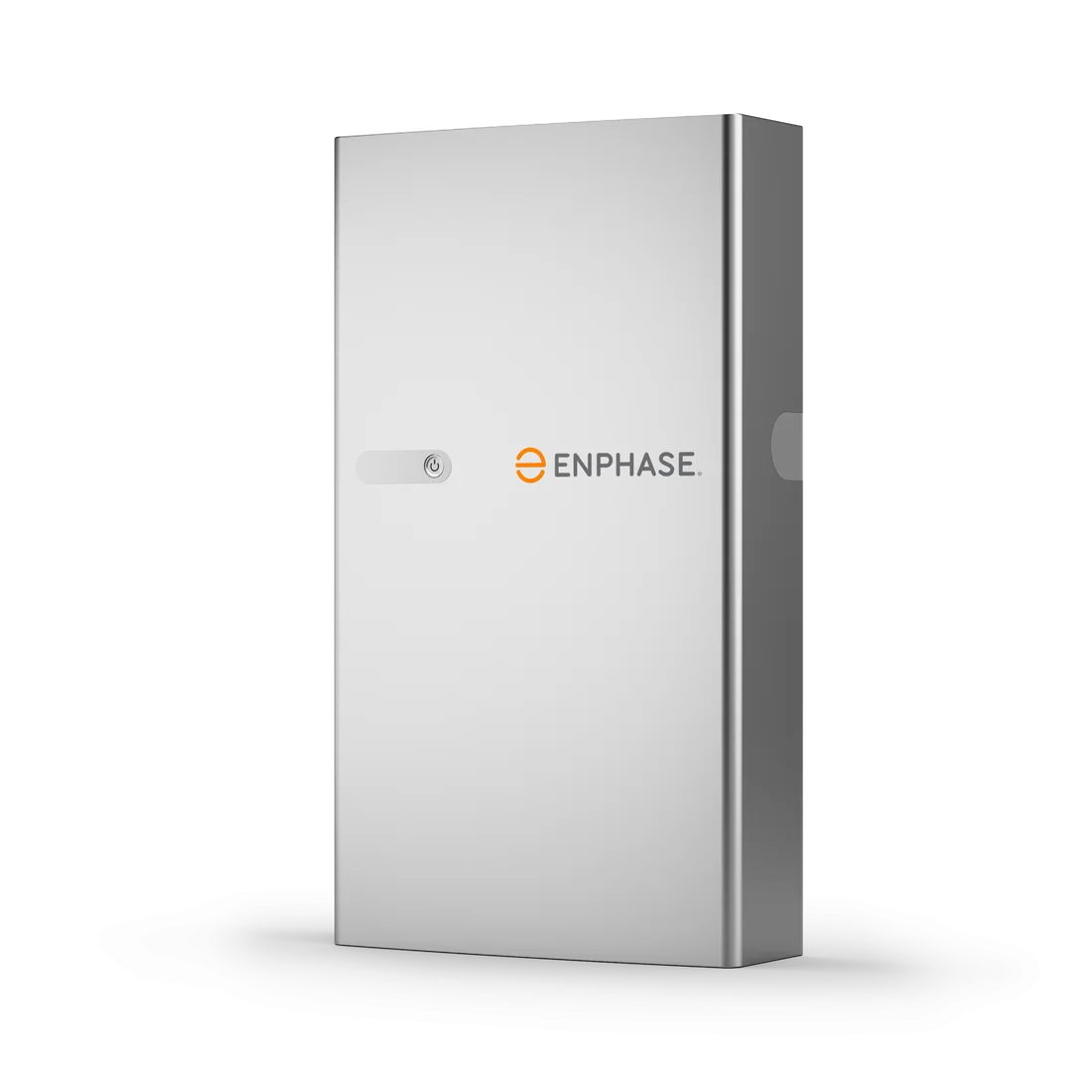
IQ Battery 5P
Compact 5 kWh building block for modular home storage systems.
View full specifications →Normalize an installer quote →Stress-test 1 unit over 3 days →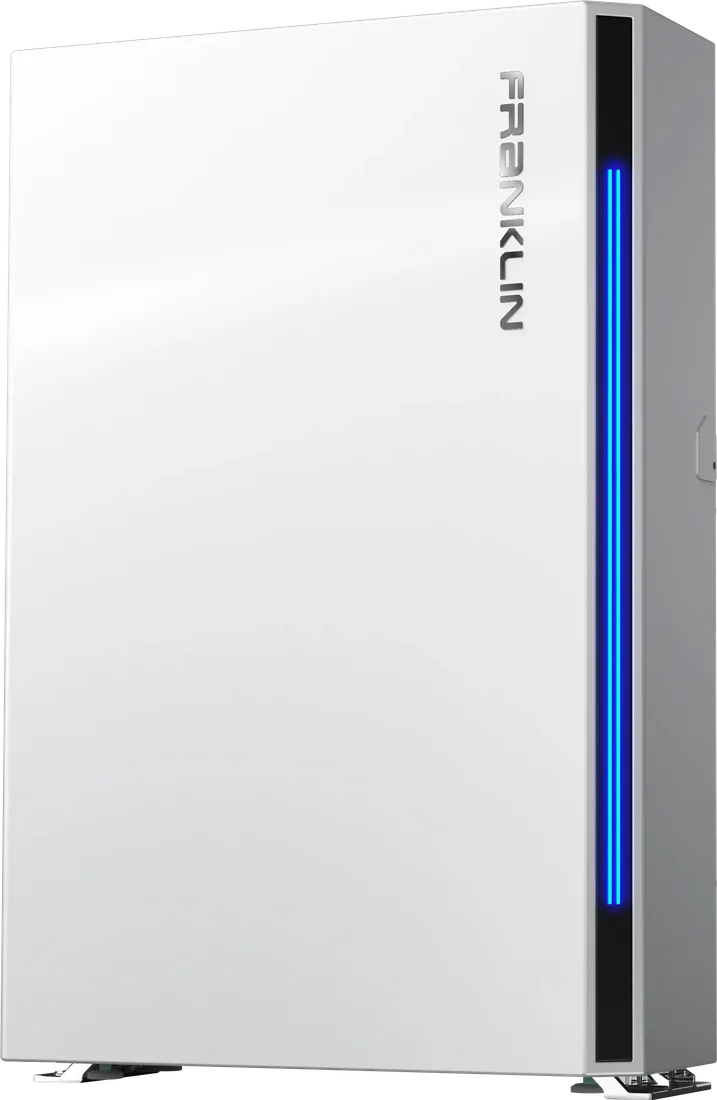
aPower 2
15 kWh usable system energy per unit.
View full specifications →Normalize an installer quote →Stress-test 1 unit over 3 days →| Specification | Tesla Powerwall 3 | Enphase IQ Battery 5P | FranklinWH aPower 2 |
|---|---|---|---|
| Usable capacity | 13.5 kWh | 5.0 kWh | 15 kWh |
| Continuous power | 11.5 kW on-grid / 11.5 kW backup | 3.84 kW | 10 kW |
| Peak / surge | Motor-start capability rated to 185 LRA | 7.68 kW for 3 seconds; 6.14 kW for 10 seconds | 15 kW for 10 seconds |
| System architecture | Integrated solar inverter; can also be added to existing solar | AC-coupled with six embedded grid-forming microinverters | AC-coupled |
| Warranty | 10-year limited warranty | 15-year limited warranty, up to 6,000 cycles | 15 years or 60 MWh throughput |
| Scalability | Expansion available; up to 40.5 kWh additional energy capacity per Powerwall 3 unit | Modular system design | Up to 225 kWh / 15 units per aGate |
Battery sizing is not just kWh
- Energy capacity tells you how much can be stored; power tells you how many large loads can run at once.
- Recharge power determines how quickly surplus solar can actually restore storage during an outage.
- Whole-home backup may require load controls, service upgrades, a gateway or system controller in addition to the battery.
- Time-of-use arbitrage and export programs can make a battery financially useful even where backup is not the primary goal.
- Use the Battery Quote Calculator for one package, Compare Battery Quotes for 2-3 packages, the Battery Calculator for daily backup-energy sizing, the Backup Runtime Calculator for outage power/runtime checks, or the 3-Day Outage Calculator for multi-day resilience.