
Capacity is only half of backup sizing
A battery can have enough stored energy for several hours but still lack enough instantaneous power for simultaneous HVAC, pumps or other heavy loads. This tool checks both requirements. For a simpler visual explanation first, open the home battery capacity comparison.
Estimate battery count for your backup target
Set an average backed-up load and desired runtime. The estimate checks both stored energy and continuous power, then uses whichever requires more full battery units. Published charging limits are shown separately because recharge speed is a different constraint.
Screening estimate only. Real backup design must account for starting surge, load profiles, reserve settings, temperature, conversion losses, charge-power limits, code requirements and manufacturer-specific configuration limits.
Choose 2-3 batteries
All three are selected by default.
Estimated full battery units
The calculator does not treat add-on expansion packs as equivalent to another complete battery unit.
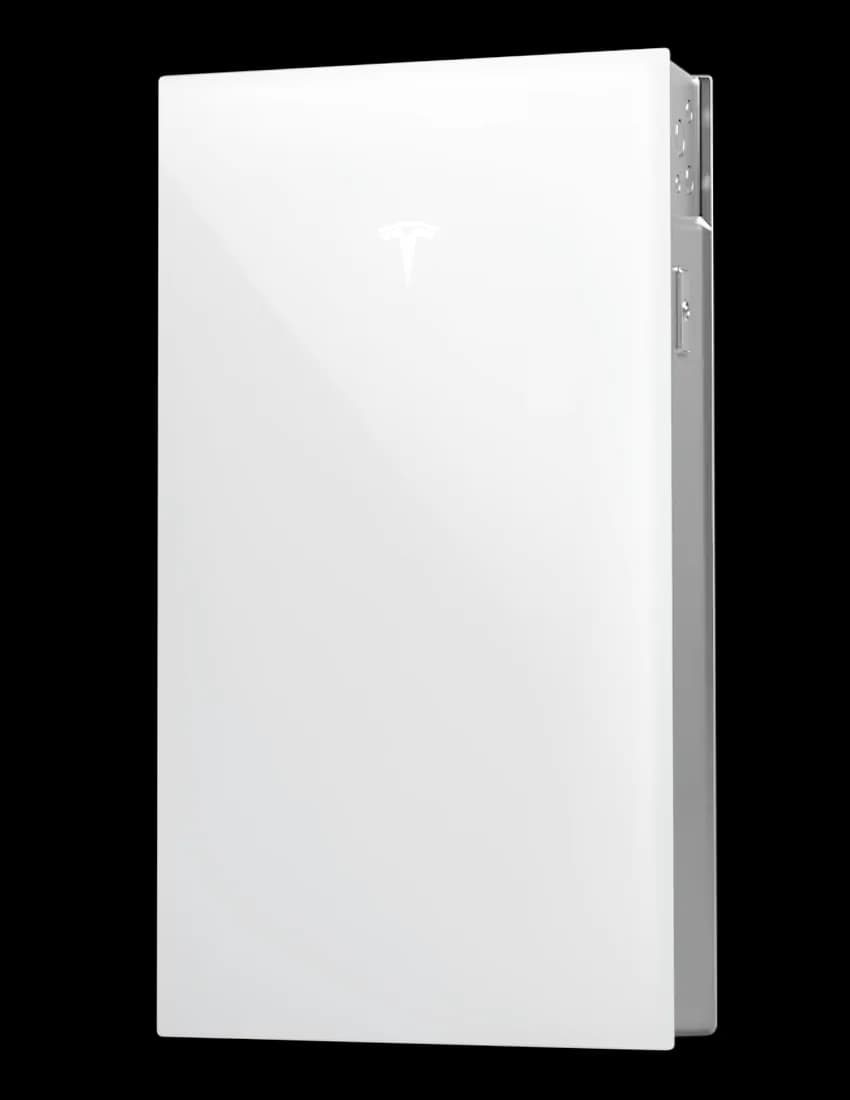
Powerwall 3
Large 13.5 kWh unit with high 11.5 kW continuous output and an integrated solar inverter.
Open full Powerwall 3 profile →Normalize an installer quote for 2 units →Test this setup in outage planner →Stress-test this setup over 3 days →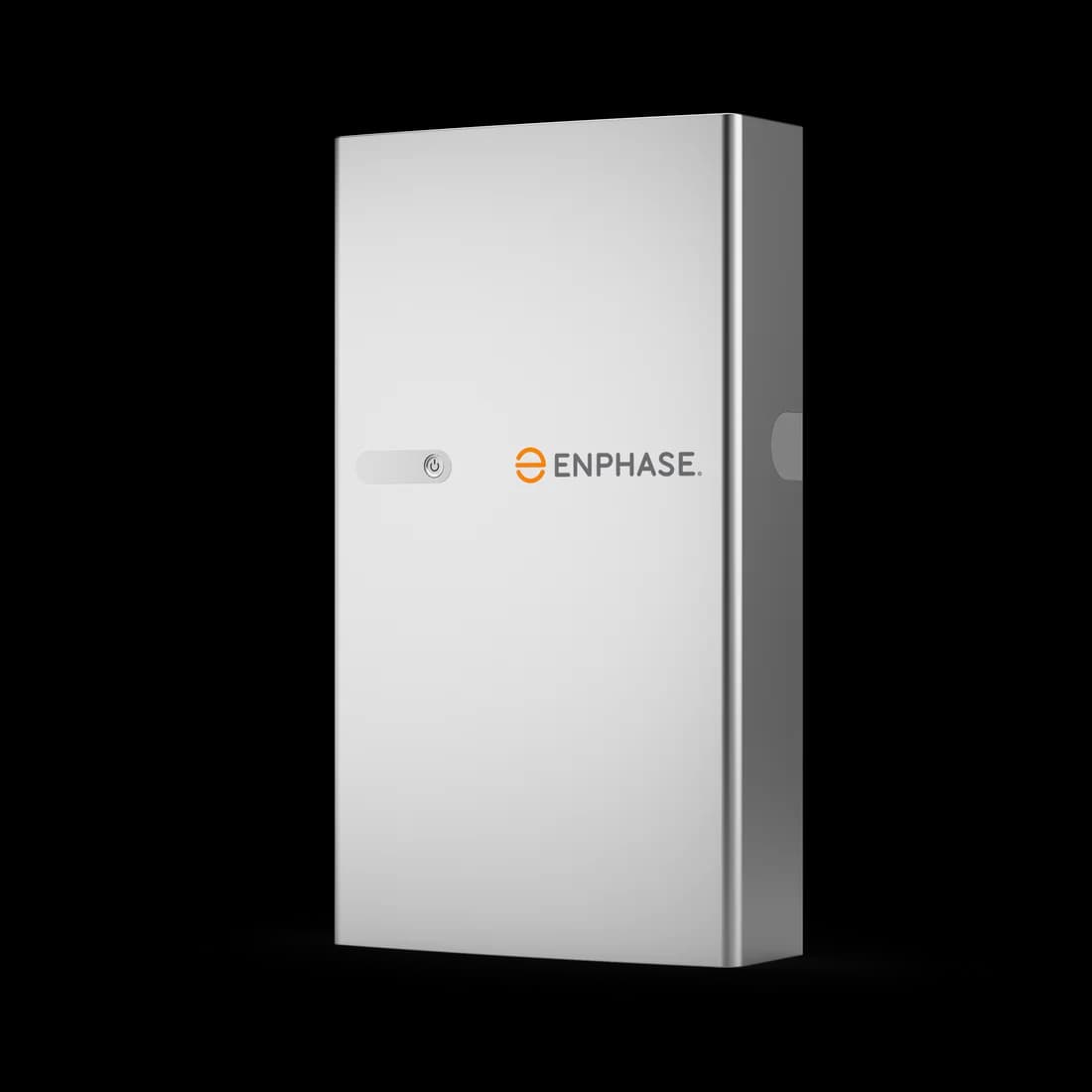
IQ Battery 5P
A 5 kWh modular AC-coupled building block that integrates tightly with the Enphase Energy System.
Open full IQ Battery 5P profile →Normalize an installer quote for 4 units →Test this setup in outage planner →Stress-test this setup over 3 days →
aPower 2
A 15 kWh AC-coupled battery with 10 kW continuous output and a long published scalability range.
Open full aPower 2 profile →Normalize an installer quote for 2 units →Test this setup in outage planner →Stress-test this setup over 3 days →* Where Home Solar Atlas has a directly verified manufacturer charge-power value. Calculator links preserve that value as a catalog-derived assumption. Multi-unit and expansion architectures may not scale linearly, so the outage tools keep the system charge limit editable. Battery Quote Calculator links carry only model and unit count; installer price is never placed in the URL.
What matters most to you?
This changes the homeowner context, not the manufacturer specifications.
Large 13.5 kWh unit with high 11.5 kW continuous output and an integrated solar inverter.
A 5 kWh modular AC-coupled building block that integrates tightly with the Enphase Energy System.
A 15 kWh AC-coupled battery with 10 kW continuous output and a long published scalability range.
Side-by-side specifications
| Specification | Tesla Powerwall 3 | Enphase IQ Battery 5P | FranklinWH aPower 2 |
|---|---|---|---|
| Usable capacity | 13.5 kWh | 5.0 kWh | 15 kWh |
| Continuous power | 11.5 kW on-grid / 11.5 kW backup | 3.84 kW | 10 kW |
| Peak / surge | Motor-start capability rated to 185 LRA | 7.68 kW for 3 seconds; 6.14 kW for 10 seconds | 15 kW for 10 seconds |
| Published max charge power | 5.0 kW / full unitPowerwall 3 itself is rated for 5 kW maximum continuous AC charge power. Tesla lists 8 kW for one Powerwall 3 with up to three Expansion units, so expansion-based systems should use the manual system charge-limit override instead of simple per-unit scaling. | Not separately verifiedThe current North American IQ Battery 5P datasheet publishes continuous and peak AC output plus round-trip efficiency, but this Home Solar Atlas review did not find a separate maximum continuous charge-power value. Enter a current manufacturer or installer system charge limit before relying on the charge-window result. | 8.0 kW / full unitFranklinWH publishes 8 kW continuous real charge power for aPower 2. Multi-battery system behavior still depends on aGate design, conductors, controls and the installed architecture. |
| Chemistry | See Tesla current technical documentation | See current Enphase datasheet | Lithium iron phosphate (LFP) |
| Coupling / architecture | Integrated solar inverter; can also be added to existing solar | AC-coupled with six embedded grid-forming microinverters | AC-coupled |
| Warranty | 10-year limited warranty | 15-year limited warranty, up to 6,000 cycles | 15 years or 60 MWh throughput |
| Scalability | Expansion available; up to 40.5 kWh additional energy capacity per Powerwall 3 unit | Modular system design | Up to 225 kWh / 15 units per aGate |
Carry the exact comparison setup into a 72-hour outage
Each result card has a model-specific 3-day stress-test link. It preserves the battery model, the full-unit count estimated from your current load/runtime target, starting SOC and the current average load. When Home Solar Atlas has a separately verified catalog charging limit, the link also preserves that value as catalog-derived rather than silently turning it into a fixed manual system assumption.
The 72-hour calculator then adds the things this short runtime sandbox intentionally omits: the first night before solar, three different daily solar multipliers, solar-to-load-first dispatch, charging losses, charge-power constraints, minimum battery count, minimum modeled solar and sustainable critical-load screening.
Compare the same batteries under a 72-hour outage
Specification tables do not show how storage capacity, charging limits, starting state of charge and changing solar conditions interact over several days. The 3-day outage calculator reruns Tesla Powerwall 3, Enphase IQ Battery 5P and FranklinWH aPower 2 against the same scenario and finds the minimum full-unit count for each product plus a stricter count that retains a selected minimum SOC floor.
Where a separate current charge-power value is directly verified, the comparison scales that value per full battery unit. Where it remains a data gap, the tool labels the row and uses a separate, user-editable comparison fallback assumption rather than inventing a manufacturer specification.
Compare resilience cost using your own installer quote
The 3-day comparison also has an optional economics layer. It does not publish or assume an MSRP. Enter the installed first-battery price and the installed incremental price for additional batteries from a real quote, and the tool calculates the cost of the minimum-pass and selected SOC-floor configurations plus cost per installed usable kWh.
This keeps product-spec research separate from local installer pricing, labor, gateway/controller scope and multi-unit discounts. Quote prices stay in the page state and are not written into the shareable outage URL.
Use this as a screening tool, not an electrical design
The runtime estimate uses average load × desired hours and compares that result with each product's published usable capacity and continuous output. It does not model appliance start-up sequences, reserve state of charge, conversion losses, temperature derating, utility rules or installer-specific hardware. The separate 72-hour tool adds changing solar and charge-power screening but is still an energy-planning model rather than a final electrical design.
Core product specifications were last checked against manufacturer sources on August 27, 2026; separate battery charging-data records were reviewed on August 29, 2026. Verify current compatibility, expansion options, backup controls, charging limits and warranty documents before purchase. Quote-based resilience costs use only values entered by the user.