
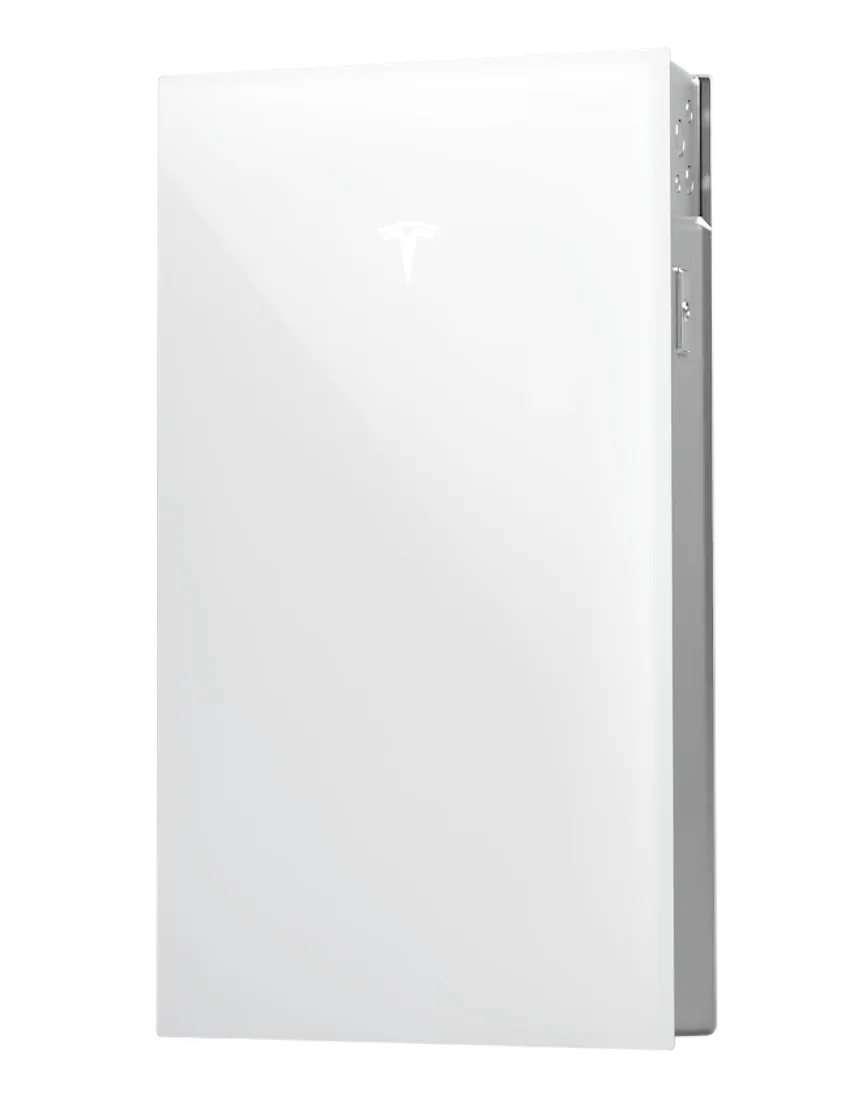
Powerwall 3
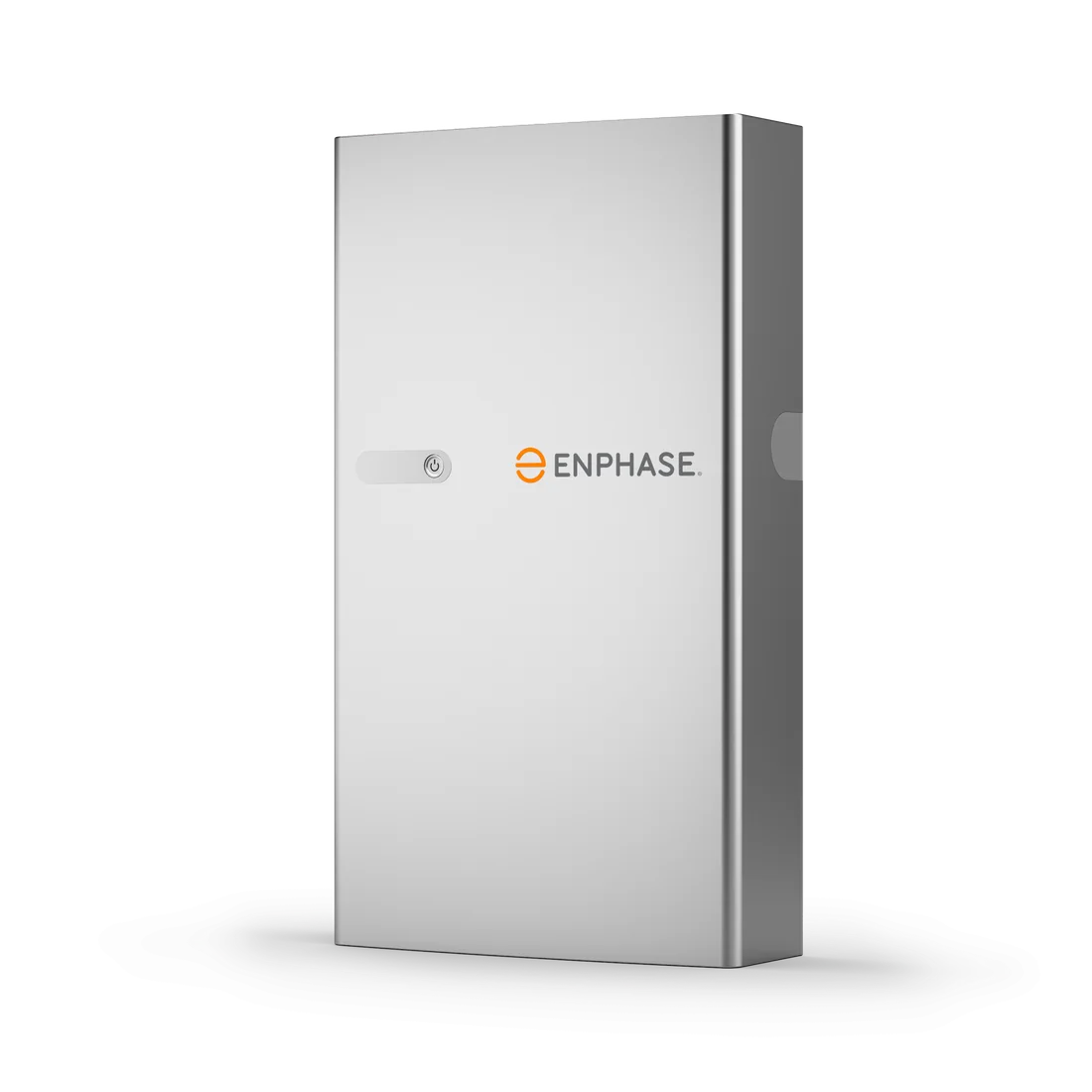
IQ Battery 5P
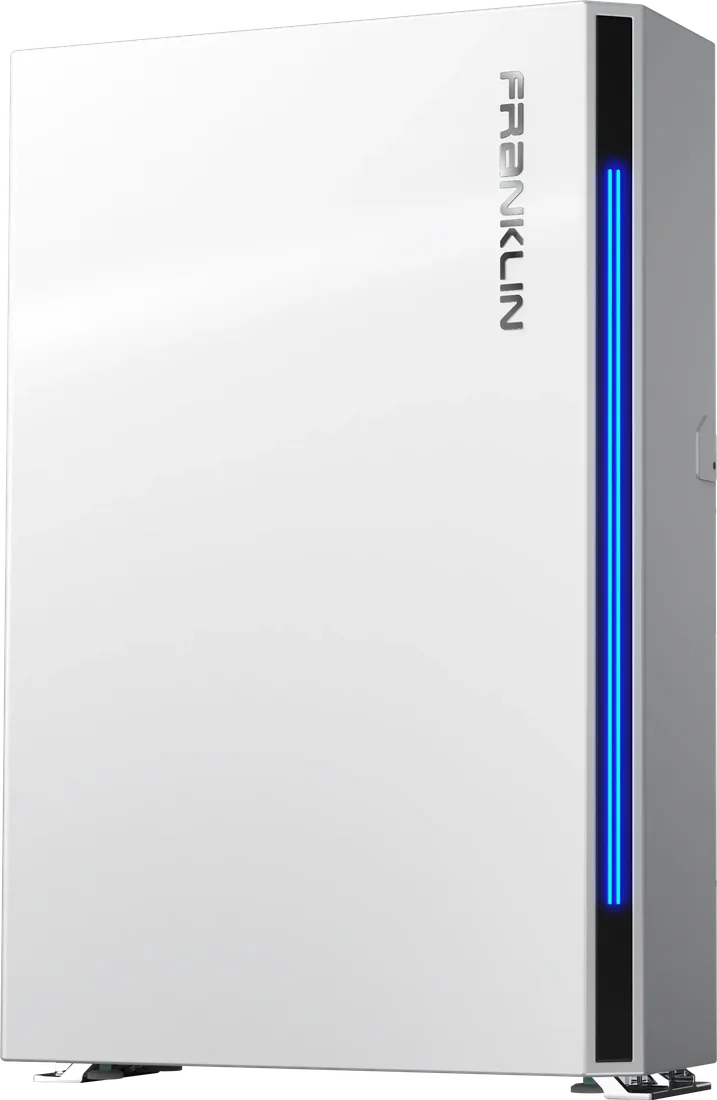
aPower 2
See the capacity difference visually
Before using the unit-count tables below, open the 5 kWh vs 13.5 kWh vs 15 kWh visual comparison for capacity bars and simple runtime examples at several constant household loads.
Powerwall 3
13.5 kWh usable · 11.5 kW on-grid / 11.5 kW backup
IQ Battery 5P
5.0 kWh usable · 3.84 kW
aPower 2
15 kWh usable · 10 kW
Battery units needed for one day of backup
This energy-only table keeps a 10% planning reserve and assumes no solar recharge during the outage. It uses the manufacturer-published usable capacity in the Home Solar Atlas battery catalog. Round-up is intentional because a fraction of a battery unit is not installable.
| Daily backup energy | Tesla Powerwall 3 | Enphase IQ Battery 5P | FranklinWH aPower 2 |
|---|---|---|---|
| 5 kWh/day | 1 unit | 2 units | 1 unit |
| 10 kWh/day | 1 unit | 3 units | 1 unit |
| 15 kWh/day | 2 units | 4 units | 2 units |
| 20 kWh/day | 2 units | 5 units | 2 units |
| 30 kWh/day | 3 units | 7 units | 3 units |
Simplified runtime from one battery unit
These hours are capacity divided by a constant load with the same 10% planning reserve. They do not model inverter losses, temperature, battery controls, changing household demand or solar recharge.
| Constant backed-up load | Tesla Powerwall 3 | Enphase IQ Battery 5P | FranklinWH aPower 2 |
|---|---|---|---|
| 0.5 kW | 24.3 hours | 9.0 hours | 27.0 hours |
| 1.0 kW | 12.2 hours | 4.5 hours | 13.5 hours |
| 2.0 kW | 6.1 hours | 2.3 hours | 6.8 hours |
Why a 72-hour result can differ from the one-day table
The table above is intentionally simple: one daily energy target, a fixed 10% reserve and no solar recharge. A three-day outage adds timing. The battery may need to survive the first night, serve daytime loads, accept only as much surplus solar as its charging limit allows, and enter the next night at a different state of charge.
That means a configuration that looks adequate from daily kWh alone can still fail before the first solar window, while another configuration can survive several days because daytime solar repeatedly restores enough energy. Use the 72-hour calculator to test the exact storage count rather than multiplying the one-day table by three.
Energy capacity is only half of battery sizing
A battery bank can have enough kWh for a full day and still be unable to start or run every appliance you want. Continuous output and short-duration surge capability must be checked separately.
- Refrigerators, lights, internet equipment and electronics usually create a much smaller backup load than whole-home HVAC.
- Air conditioners, well pumps and other motors can require a large startup surge even if their average energy use is manageable.
- Electric resistance heating, electric water heating, ovens and EV charging can consume battery energy very quickly.
- Whole-home backup may also require a gateway, system controller, load-management hardware or electrical upgrades.
A better way to choose battery capacity
- List the circuits or appliances you actually need during an outage.
- Estimate their daily energy in kWh and their highest simultaneous power in kW.
- Decide how many hours or days of no-solar backup you want to plan for.
- Check whether daytime solar can recharge the battery during a grid outage in the proposed system architecture.
- Stress-test several days with conservative solar assumptions rather than simply multiplying one-day kWh by outage length.
- Compare manufacturer power, capacity, charging limits, warranty and expansion rules before choosing a final design.
Specification sources
Battery capacities and power ratings are pulled from the current Home Solar Atlas equipment catalog, which links to official manufacturer product pages and records a verification date for each model.