
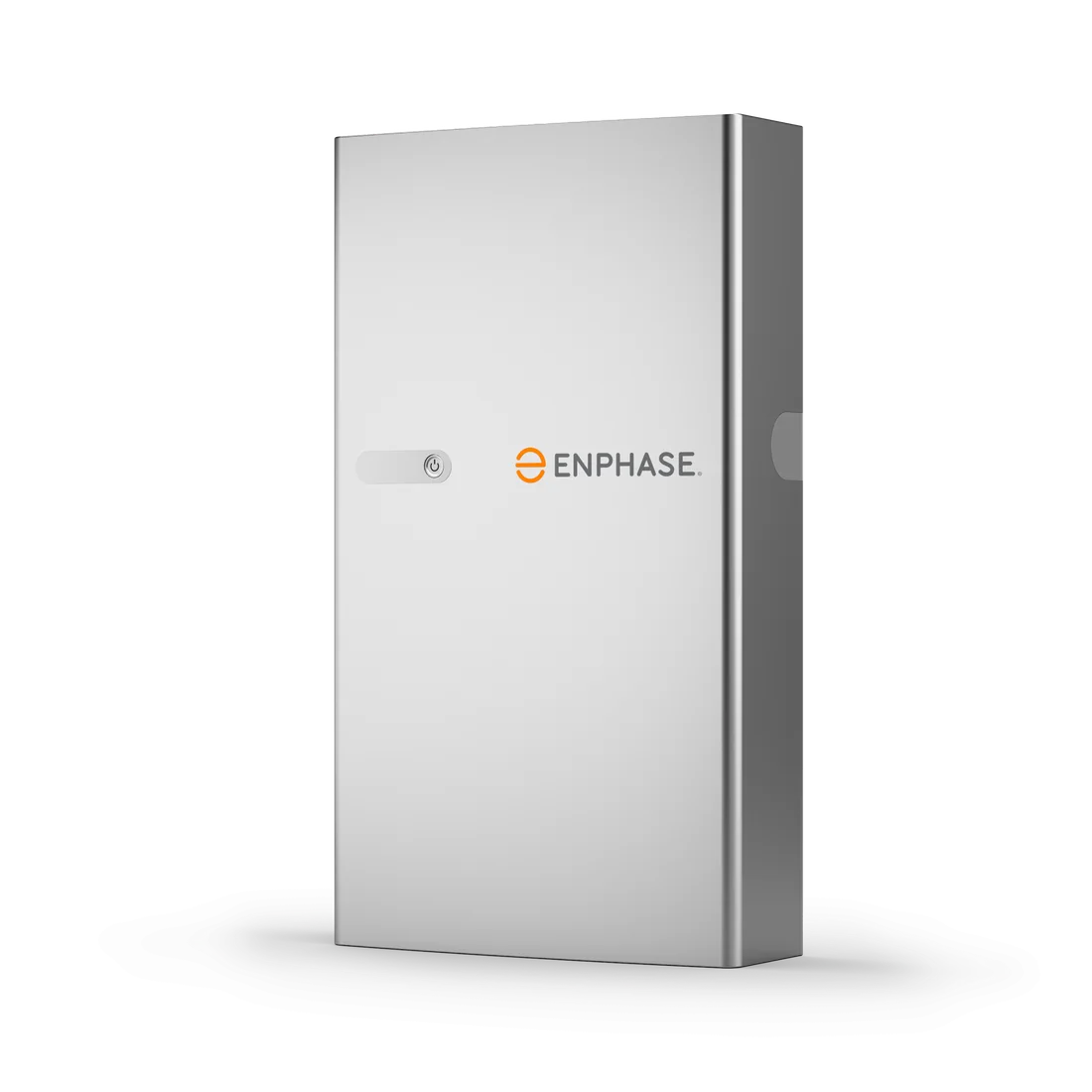
Enphase IQ Battery 5P
Usable capacity: 5.0 kWh
Continuous power: 3.84 kW

Tesla Powerwall 3
Usable capacity: 13.5 kWh
Continuous power: 11.5 kW on-grid / 11.5 kW backup

FranklinWH aPower 2
Usable capacity: 15 kWh
Continuous power: 10 kW
Usable energy side by side
The bars compare the usable capacities published in the current Home Solar Atlas battery profiles. They do not include household reserve settings or conversion losses.
Planning runtime at different household loads
These screening examples reserve 10% of usable capacity and divide the remaining energy by a constant load. Real runtime will vary with battery reserve settings, inverter losses, temperature, state of charge, appliance cycling and whether solar is recharging the battery during the outage.
| Constant load | Enphase IQ Battery 5P | Tesla Powerwall 3 | FranklinWH aPower 2 |
|---|---|---|---|
| 0.5 kW Light essentials | 9.0 hours | 24.3 hours | 27.0 hours |
| 1 kW Moderate essentials | 4.5 hours | 12.2 hours | 13.5 hours |
| 2 kW Larger backup load | 2.3 hours | 6.1 hours | 6.8 hours |
| 4 kW Heavy simultaneous load | 1.1 hours | 3.0 hours | 3.4 hours |
Runtime is not the same as multi-day resilience
A simple capacity ÷ load estimate answers how long stored energy lasts when nothing recharges the battery. A real multi-day solar outage is path-dependent: the first night may drain storage before sunrise, surplus daytime solar may refill part of the battery, and a charging-power limit can prevent all available PV from entering storage.
Use the model-specific links above or the general 72-hour calculator below to compare the same battery at different starting SOC, load, solar timing and three-day weather assumptions. The calculator can also identify the minimum full-unit count needed for the modeled scenario.
Useful when the ecosystem is designed around smaller repeatable battery blocks.
Can simplify energy-capacity planning, but continuous and surge power still need to match the backed-up loads.
Multi-day resilience depends on daily solar production and load discipline, not battery kWh alone.
Start with the loads, not the battery brand
- List the circuits and appliances you actually want during an outage.
- Estimate daily kWh for those loads.
- Check startup and continuous kW for HVAC, pumps and motors.
- Decide whether one-night backup or multi-day solar-assisted resilience is the goal.
Then compare the complete installed system
Battery price alone does not capture gateway/controller equipment, backup panel work, service upgrades, inverter compatibility, installation labor or utility program requirements.
Runtime examples are planning estimates, not guarantees. Product capacity and power values come from the current Home Solar Atlas equipment profiles and linked manufacturer sources. The 72-hour calculator is also a screening model rather than an outage forecast or final electrical design.