
Want the fastest side-by-side view?
Open the REC vs Qcells vs Silfab comparison for one mobile-friendly specification table plus the locally hosted product images.
Trying to understand the technology labels first? Use the visual HJT vs TOPCon guide to see how both architectures relate to monocrystalline silicon.
Checking an installer proposal? Use the Solar System Size Claim Checker to verify whether panel count × module wattage reconciles with the quoted DC system size before using that kW value in price or production comparisons.
Comparing long-term performance assumptions? Use the Solar Panel Degradation Calculator to isolate how two annual degradation rates change retained production and cumulative kWh from the same Year 1 starting point.
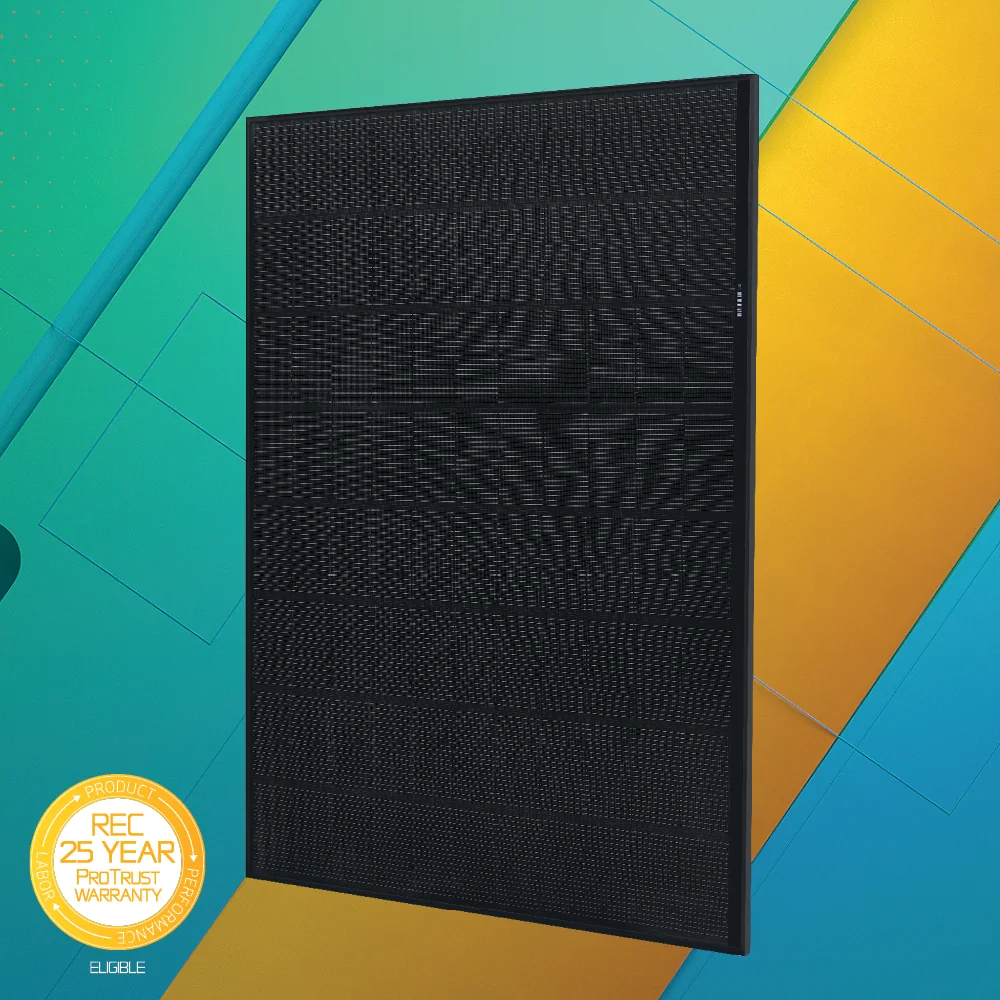
Alpha Pure-RX
REC's high-power residential HJT module family.
View full specifications →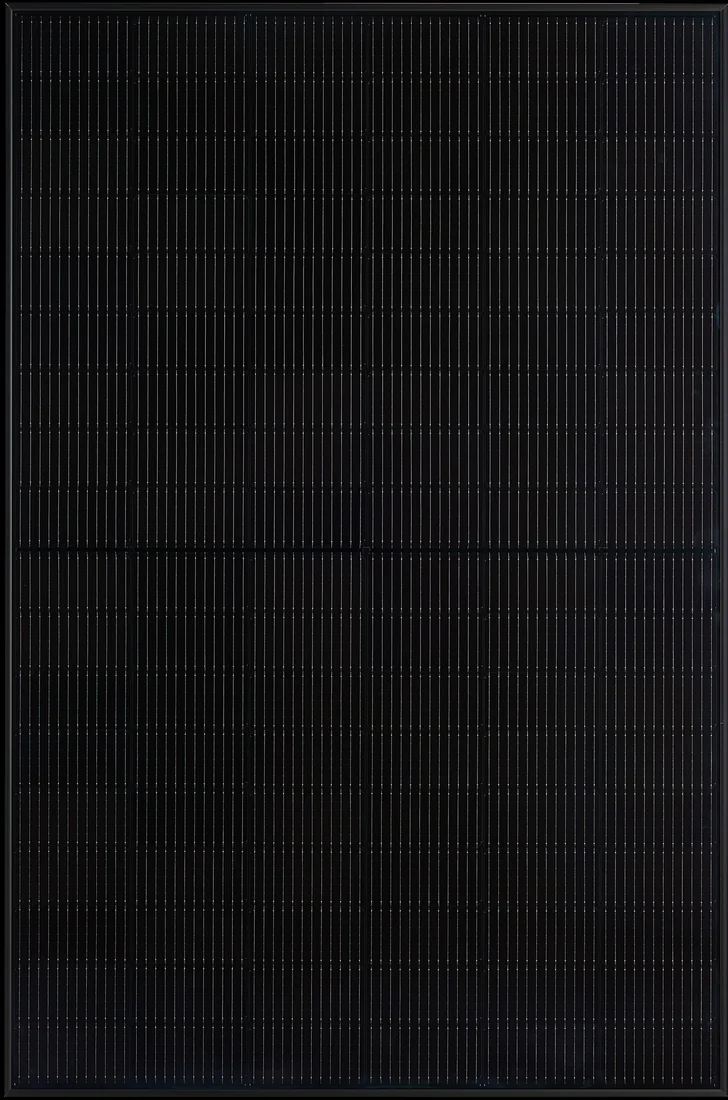
Q.TRON BLK M-G2+
All-black residential N-type module.
View full specifications →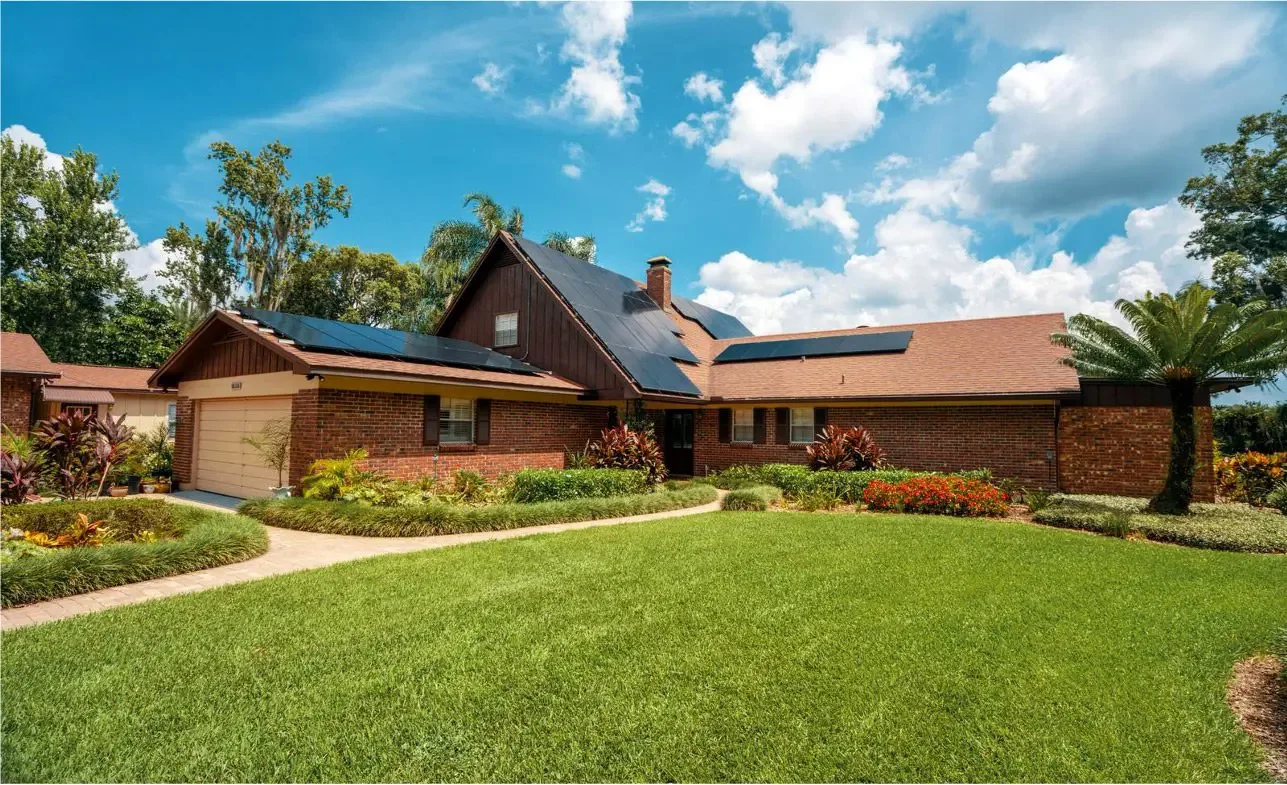
SIL-440 QD
440 W residential module with 22.6% efficiency.
View full specifications →| Specification | REC Alpha Pure-RX | Qcells Q.TRON BLK M-G2+ | Silfab SIL-440 QD |
|---|---|---|---|
| Power | 450-470 W | 415-440 W | 440 W |
| Max efficiency | 22.6% | 22.5% | 22.6% |
| Cell technology | HJT (heterojunction) | N-type TOPCon / Q.ANTUM NEO | N-type silicon |
| Product warranty | 20 years standard; 25 years with eligible REC ProTrust | 25 years | 12 years standard; extendable to 25 years subject to registration and conditions |
| Performance warranty | 25 years | 25 years | 30-year linear power performance guarantee |
| End-of-term performance | 92% minimum power in year 25 | At least 90.58% nominal power at year 25 | 89.3% minimum at year 30 |
How to use panel specifications
- Higher module efficiency can matter when usable roof area is limited.
- Panel wattage affects how many modules are needed for a given system size, but wattage alone does not determine annual production.
- For proposal review, multiply the written panel count by the exact module nameplate wattage and compare that result with the quoted DC kW before relying on system-size comparisons.
- Temperature behavior, shading, inverter design and roof orientation also affect real-world output.
- Warranty terms have conditions. Always review the current manufacturer warranty and installer workmanship coverage before signing a contract.