
Start with architecture, not the brand name
A microinverter system, an optimizer-plus-central-inverter system and a hybrid string inverter solve the same DC-to-AC problem differently. Start with the visual architecture guide, then open the inverter specification comparison for the model-level details.
If a proposal lists both total module DC kW and combined inverter continuous AC kW, use the Solar DC/AC Ratio Checker to normalize the nameplate sizing. It does not estimate annual clipping loss from the ratio alone.
If the utility or interconnection approval also states a separate kW export cap, use the Solar Export Limit vs Inverter Checker. Export limits govern grid export and are not the same thing as inverter AC nameplate, export compensation or an automatic annual-energy-loss percentage.
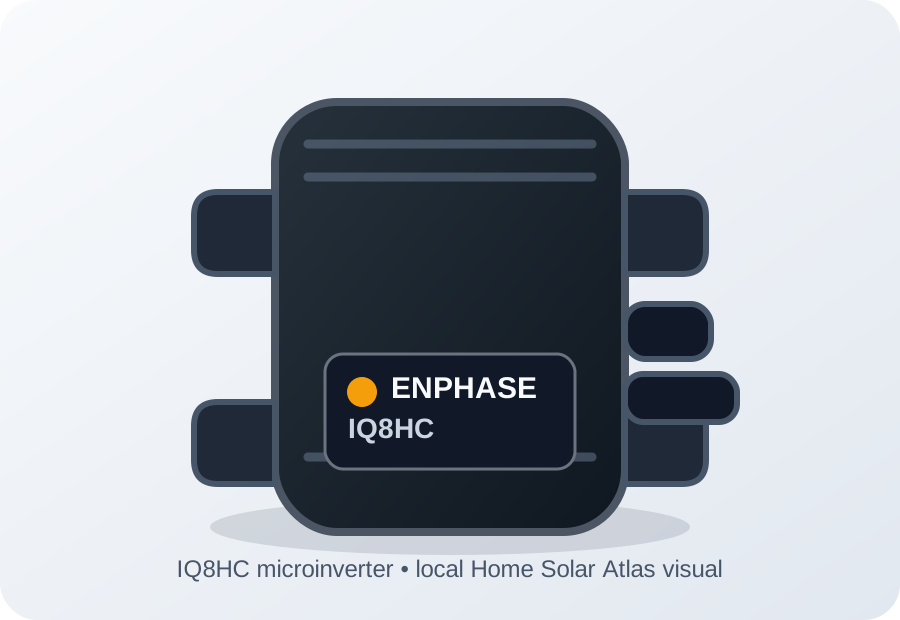
IQ8HC Microinverter
One microinverter is paired with each solar module, so DC-to-AC conversion happens at the panel level.
View full specifications →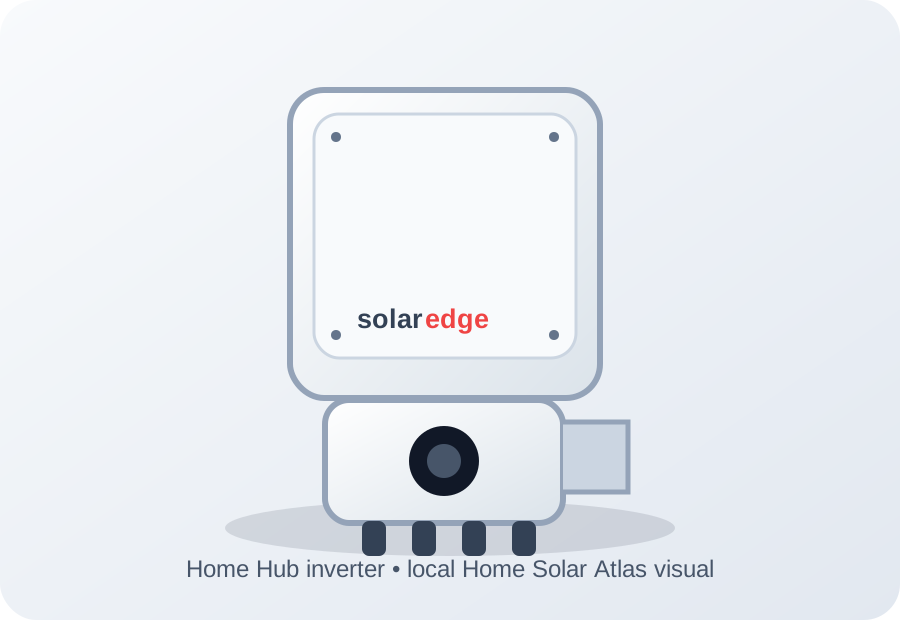
Home Hub Inverter
Designed as the central energy manager for SolarEdge Home solar, storage and backup components.
View full specifications →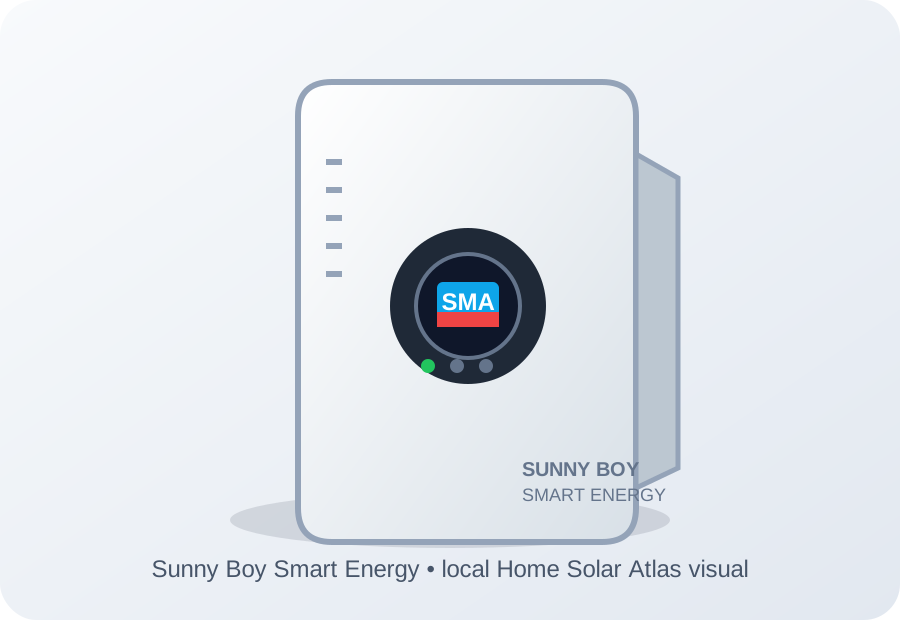
Sunny Boy Smart Energy
A hybrid architecture combines PV conversion and supported battery conversion in a single wall-mounted inverter.
View full specifications →Why inverter choice matters
- Inverter architecture affects where DC-to-AC conversion happens and how panel-level monitoring is implemented.
- Battery and backup support can require additional controllers, interfaces or ecosystem-specific hardware.
- High panel wattage must be checked against inverter input current, voltage and clipping behavior.
- Interconnection or export-control limits can constrain grid export separately from the inverter's continuous AC nameplate.
- Warranty length is only one factor. Ask how service works if the inverter or one module-level device fails.