
There is no single best roof material for every solar project
The roof must be structurally suitable, have enough usable area and remaining service life, and support a mounting system appropriate for the actual roof assembly. The Department of Energy also recommends considering roof age, size, shape, slope and shading before installing rooftop solar.
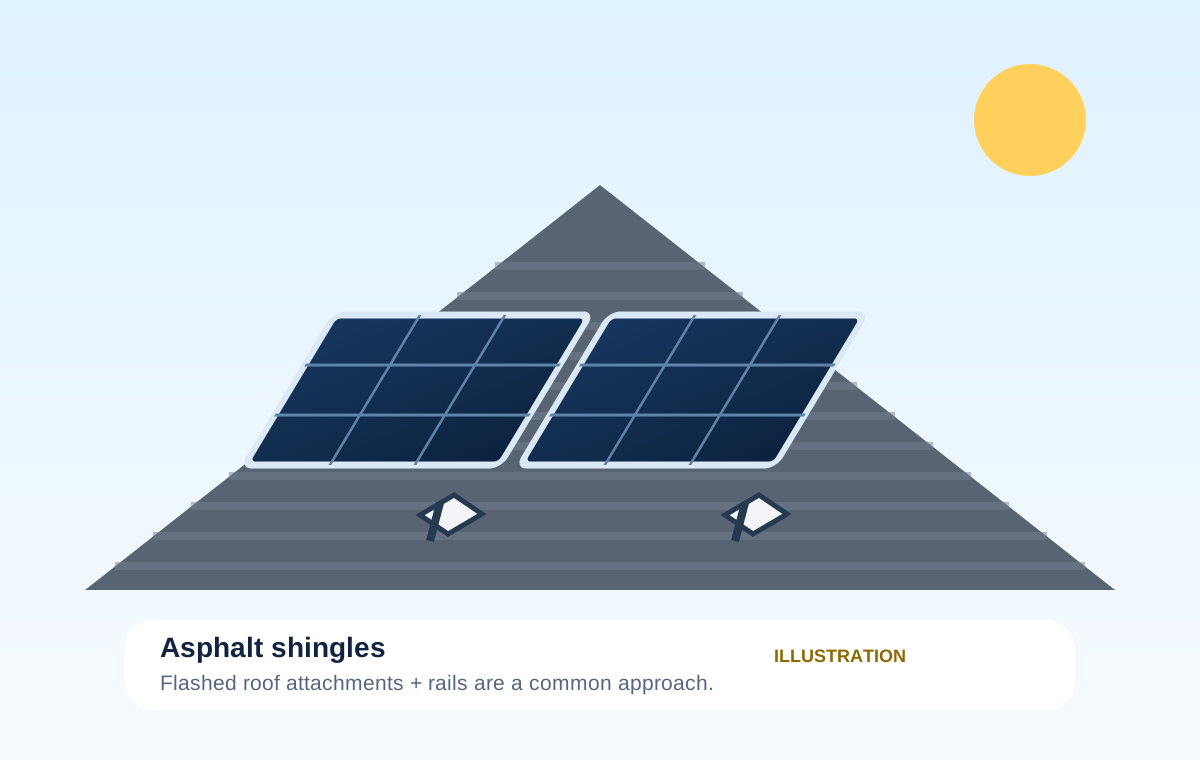
Asphalt shingles
Flashed or sealed roof attachments with rail-based or rail-less racking are common.
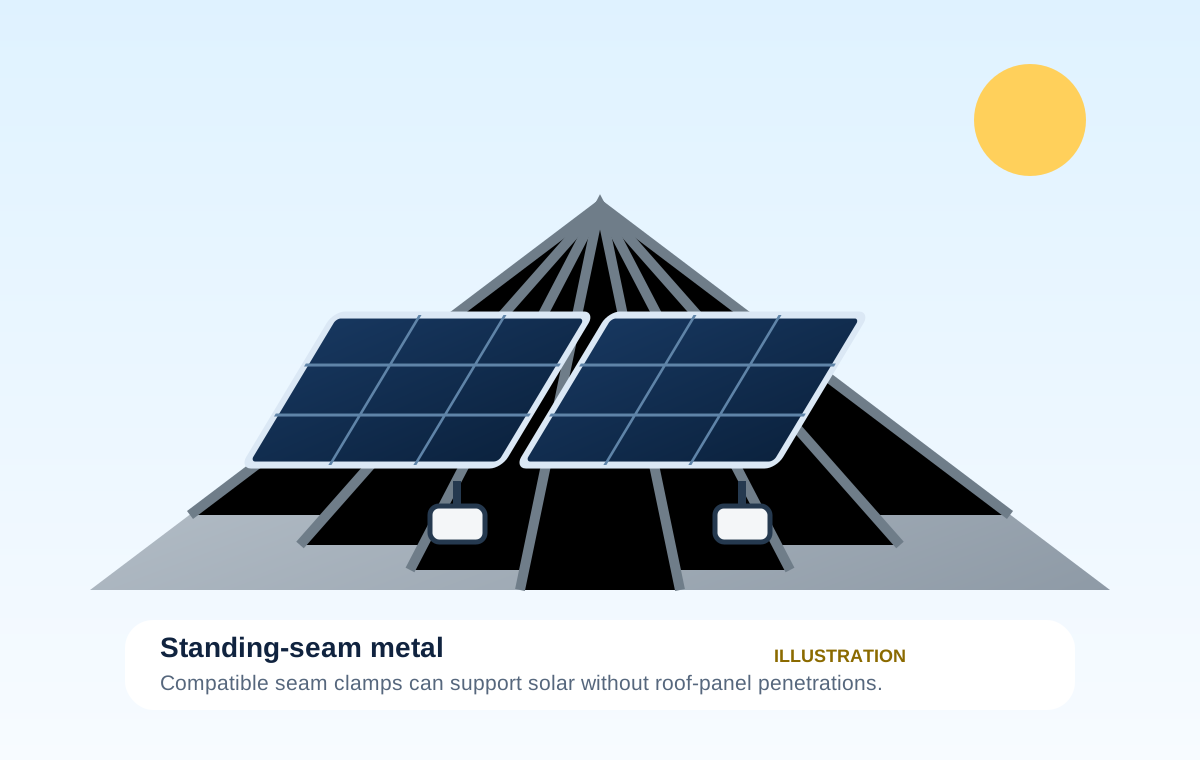
Standing-seam metal
Compatible seam clamps can support PV without penetrating the metal roof panel.
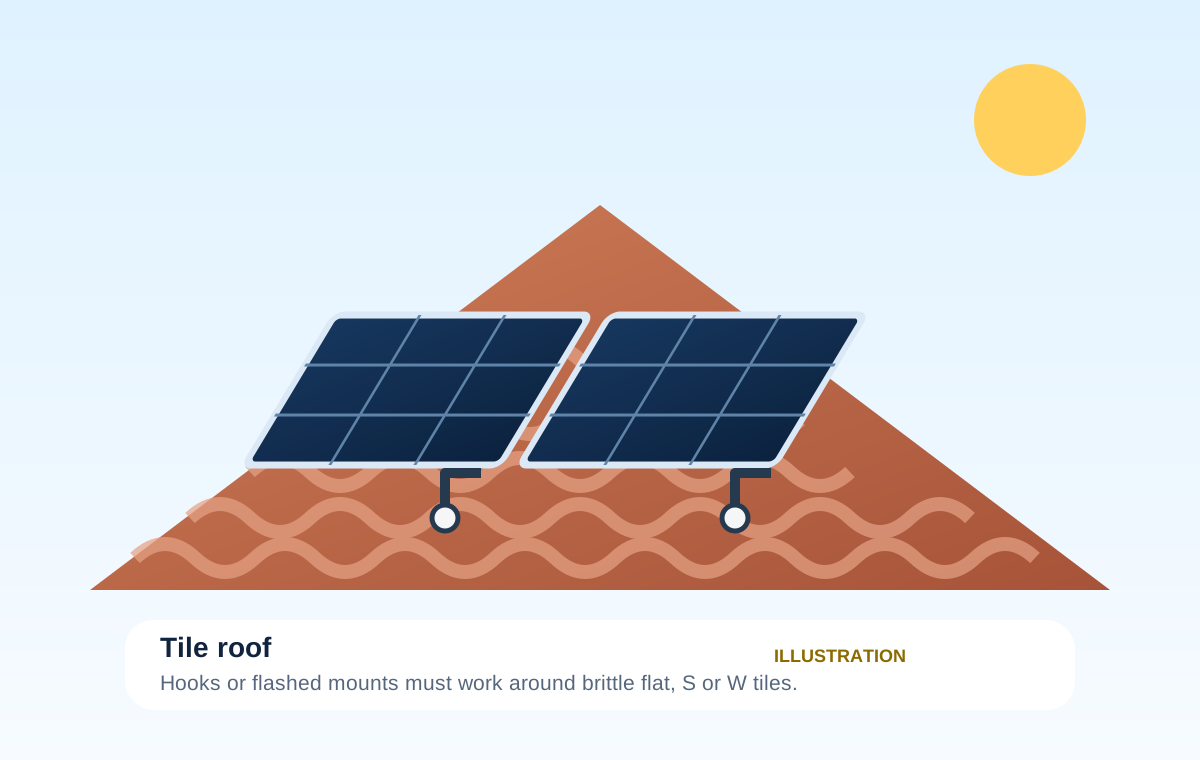
Tile roof
Hooks or flashed attachments can work with flat, S and W tile profiles depending on the system.
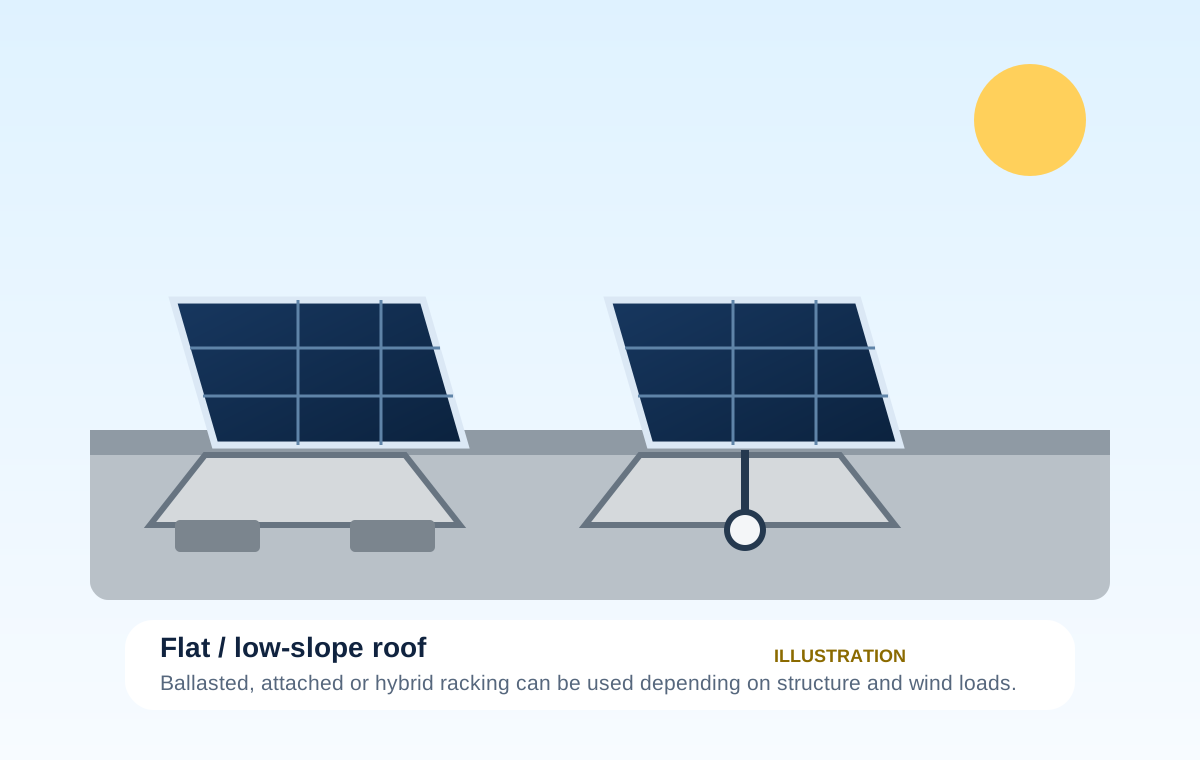
Flat / low-slope
Ballasted, mechanically attached or hybrid systems may be used depending on the building and site.
| Roof type | Typical solar mounting approach | Main homeowner question | Planning complexity |
|---|---|---|---|
| Asphalt shingles | Flashed or sealed attachments into approved structural locations, with rails or rail-less mounting | Will the roof need replacement before the solar system does? | Usually straightforward, but waterproofing detail matters |
| Standing-seam metal | Profile-specific seam clamps may avoid penetrations through the roof panel | Is the exact seam profile approved for the selected clamp? | Can be very clean when the roof and clamp are compatible |
| Tile | Tile hooks or flashed mounts below/through the tile plane depending on system | How will broken tiles, underlayment and waterproofing be handled? | More labor and roof-specific detailing |
| Flat / low-slope | Ballasted, attached or hybrid racking with tilt | Can the structure, membrane and wind design support the proposed array? | Engineering and roof-system coordination are especially important |
Common does not mean waterproofing can be casual
Composition and asphalt shingle roofs are common residential solar surfaces. Mounting products are designed around sealed or flashed roof attachments, and some systems are specifically intended for new construction or roof replacement workflows.
If shingles are already near the end of their service life, replacing the roof before solar can avoid paying later to remove and reinstall the array just to reroof the home.
Simplified mounting path
Actual attachment spacing and waterproofing details are engineering- and product-specific.
A compatible standing seam can be especially solar-friendly
Some standing-seam metal roofs can use clamps that mechanically grip the seam without penetrating the roof panel. S-5! documents zero-penetration attachment solutions for compatible standing-seam profiles.
That does not mean every metal roof accepts every clamp. The seam geometry, material, thickness, clamp model and design loads all need to match the engineering documentation.
Simplified mounting path
Tile is installable, but the roofing work deserves more attention
IronRidge lists tile hooks and flashed tile mounting options for flat, S and W tile profiles. The solar array is not simply screwed into the visible tile. The attachment has to transfer loads to the supporting structure while preserving the roof's weather barrier.
Ask how the installer handles cracked tiles, spare matching tiles, underlayment condition and waterproofing around every attachment.
Simplified mounting path
Ballast is only one option
Flat-roof arrays can be ballasted, mechanically attached or hybrid. IronRidge notes that roof construction, structure, wind, seismic requirements and ballast weight can all influence the final design.
A low-slope roof also needs clear drainage paths, membrane-compatible details and enough service access around the array.
Simplified design choices
Roof age can matter more than roof material
DOE notes that roof age should be considered before installing solar, and that solar panels and mounting hardware need to be removed when the roof itself is replaced. A structurally sound but aging roof can therefore create a future remove-and-reinstall cost even if the roof material is otherwise solar-friendly.
Primary sources
The mounting examples are simplified homeowner explanations, not installation instructions. Final attachment design must follow the selected product documentation, structural engineering and applicable code.